 |
 |
 |
 |
 |
 |
 |
 |
 |

 |
Keep Track Of New Worlds: PlanetQuest 2.0
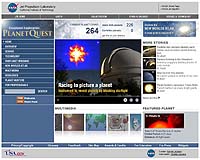
Pasadena CA (SPX) Nov 30, 2007 More than 260 planets have already been discovered orbiting other stars, and new ones are found almost every month. Having trouble keeping track? Help is on the way. NASA's Jet Propulsion Laboratory, Pasadena, Calif., has revamped its award-winning PlanetQuest website with improved tools to help users stay on top of the latest discoveries. PlanetQuest 2.0 features include: - The Visual New Worlds Atlas: A continuously updated database of extrasolar planets, with star images, planet system visualizations, and graphics comparing other planets to those in our own solar system. - Desktop planet counter: Install this widget for your PC or Mac and keep up with the current tally of newly-discovered planets. - Enhanced multimedia gallery: Games, movies and simulations immerse you in the world of interstellar exploration. - Map of planet hunters: Interactive global view of scientists and techniques involved in searching for another Earth. JPL is part of NASA's ongoing program of searching for planets around other stars, particularly those that might be Earthlike and potentially hospitable to life. Community Email This Article Comment On This Article Related Links PlanetQuest home page Lands Beyond Beyond - extra solar planets - news and science Life Beyond Earth
 Youthful Star Sprouts Planets Early
 Ann Arbor MI (SPX) Nov 29, 2007
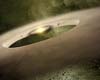
A stellar prodigy has been spotted about 450 light-years away in a system called UX Tau A by NASA's Spitzer Space Telescope. Astronomers suspect this system's central sun-like star, which is just one million years old, may already be surrounded by young planets. Scientists hope the finding will provide insight into when planets began to form in our own solar system. |
|
|

| The content herein, unless otherwise known to be public domain, are Copyright 1995-2007 - SpaceDaily.AFP and UPI Wire Stories are copyright Agence France-Presse and United Press International. ESA Portal Reports are copyright European Space Agency. All NASA sourced material is public domain. Additional copyrights may apply in whole or part to other bona fide parties. Advertising does not imply endorsement,agreement or approval of any opinions, statements or information provided by SpaceDaily on any Web page published or hosted by SpaceDaily. Privacy Statement |